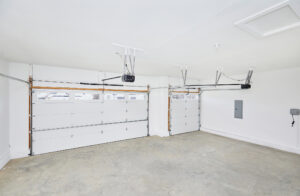


When several generations share a home, the garage can quickly become a catch-all for everyone’s belongings. One person needs room for garden tools, another parks bikes by the door and someone else is storing seasonal decorations or sports equipment. Without a plan, shared storage can make it difficult to find things or even use the garage for its intended purpose.
A little planning can make a multi-generational garage work better for everyone. The goal isn’t to give every item a permanent home overnight. It’s to create a layout that respects different needs, makes everyday belongings easy to reach, and leaves enough room to move around safely.
Start by sorting belongings by use
Before buying shelves or bins, take stock of what the household keeps in the garage. Group items by category: tools, bicycles, yard equipment, recreation gear, seasonal decorations and automotive supplies. Then consider how often each group is used.
Everyday items like a frequently used bike, hand tools, or a watering can should be easy to access. Seasonal items can go higher or farther back, provided they remain safely reachable. Items that are broken, duplicated, or no longer used may not need to take up shared space at all.
Sorting together can also prevent misunderstandings. One person’s “old equipment” may be another person’s useful project material. Agree on what can be discarded, donated or moved elsewhere before making big changes.
Give each person a clear zone
Shared storage doesn’t have to mean every item belongs to everyone. Assigning zones can make it easier for different family members to find and put away their belongings. For example, one wall might hold garden tools, another could be dedicated to bikes and a shelf or cabinet could be reserved for each household member.
Consider how each person uses the space. Children may need lower hooks for helmets and backpacks, while older adults may prefer frequently used items at waist height rather than overhead. Keep pathways clear, especially around doors, stairs and vehicles. If multiple generations are living together, convenience and safe access matter just as much as storage capacity.
Use vertical space thoughtfully
Walls can help free up valuable floor area. Wall-mounted hooks, racks, and shelving can hold bikes, long-handled tools and frequently used gear. Choose storage that suits the item and the person using it: a heavy tool should be securely mounted and easy to lift down, while lightweight seasonal items may be appropriate for higher shelves.
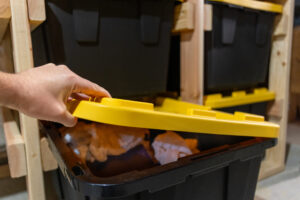
Clearly labeled bins can help keep smaller belongings together. Use labels that make sense to everyone in the household, such as “camping,” “car care,” or “holiday decorations.” Transparent containers can make contents easier to identify, but avoid stacking them so high that accessing one bin becomes a chore.
A well-designed building can also make organization easier from the start. If your household needs room for several vehicles, equipment, and storage areas, explore custom garage options and think about how the space will be used day to day.
Make shared systems easy to maintain
The best organization system is one everyone can follow. Keep commonly used items near the entrance, group related belongings together and leave a little open space for items that come and go. It is also important to follow the simple rule of returning tools to their designated wall or putting sports gear back in its own bin as this can help prevent clutter from creeping back.
It can also be useful to set aside a small area for items that need attention. A labeled “to sort” bin or shelf gives household members a place to put things temporarily without spreading them across the garage. Review it regularly so temporary storage doesn’t become permanent.
If the household needs more than storage, consider how a garage could support multiple uses. Ideas for planning a flexible structure can help you think beyond parking and make room for work, hobbies or household gear. You can also browse garage and shed inspiration as you decide what features would best suit your family.
Plan for the household you have and the one you may become
A multi-generational garage will likely change as people’s needs change. Bikes may be replaced by strollers; gardening supplies may expand; a family member may need more accessible storage. Leave room for those shifts rather than filling every corner from the outset.
With thoughtful zones, accessible storage and a few shared habits, the garage can serve everyone without becoming a source of daily frustration. A space designed around the people who use it can help family gear stay organized and make it easier for multiple generations to share the same home.